|
Spinach
we exoprt Spinach and fresh Fruits exporter and Vegetables from Morocco
We
are wholesale suppliers and exporters of spinach
( epinards ,Spinat , spinaci , espinaca )
Spinach can
be made between older varieties of spinach and more modern
varieties. Older varieties tend to bolt too early in warm
conditions. Newer varieties tend to grow more rapidly but
have less of an inclination to run up to seed. The older varieties
have narrower Spinach leaves and tend to have a stronger (although
more bitter) taste. Most newer varieties have broader leaves
and round seeds.
There are 3 basic types of
Spinach:
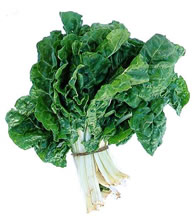
Savoy has dark green, crinkly
and curly leaves. It is the type sold in fresh bunches in
most supermarkets. One heirloom variety of savoy is Bloomsdale.
Bloomsdale is also somewhat bolt resistant.
Flat/smooth leaf spinach has broad smooth Spinach leaves that
are easier to clean than savoy. This type is often grown for
canned and frozen spinach, as well as soups, baby foods, and
processed foods.
Semi-savoy is a hybrid variety. It has slightly crinkled leaves.
It has the same texture as savoy, but it is not as difficult
to clean. It is grown for both fresh market and processing.
Five Star is a widely grown variety and has good resistance
to running up to seed.
Rosemary Stanton, in her Complete Book of Food and Nutrition,
notes that silverbeet (or chard), is commonly referred to
as spinach, particularly in Australia. Hence, there may be
some popular confusion between the two vegetables.
|

