|
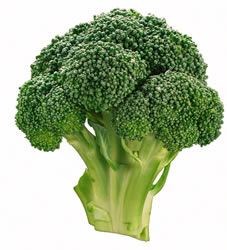
Broccoli
we exoprt Celeri and fresh Fruits exporter and Vegetables from Morocco

Asparagus is low in calories, contains no cholesterol and is healthy as it is very low in sodium. It is also a good source of vitamin B6, calcium, magnesium and zinc, and a very good source of dietary fiber, protein, vitamin A, vitamin C, vitamin E, vitamin K, thiamin, riboflavin, rutin, niacin, folic acid, iron, phosphorus, potassium, copper, manganese and selenium. The amino acid asparagine gets its name from asparagus, the asparagus plant being rich in this compound.
The shoots are prepared and served in a number of ways around the world. In Asian-style cooking, asparagus is often stir-fried. Cantonese restaurants in the United States often serve asparagus stir-fried with chicken, shrimp, or beef, and also wrapped in bacon. Asparagus may also be quickly grilled over charcoal or hardwood embers. It is also used as an ingredient in some stews and soups. In the French style, it is often boiled or steamed and served with hollandaise sauce, melted butter or olive oil, Parmesan cheese or mayonnaise. It may even be used in a dessert.The best asparagus tends to be early growth (meaning first of the season) and is often simply steamed and served along with melted butter. Tall, narrow asparagus cooking pots allow the shoots to be steamed gently, their tips staying out of the water.
Asparagus can also be pickled and stored for several years. Some brands may label shoots prepared this way as "marinated."
The bottom portion of asparagus often contains sand and dirt and as such thorough cleaning is generally advised in cooking asparagus.
Green asparagus is eaten worldwide, though the availability of imports throughout the year has made it less of a delicacy than it once was. However, in the UK, due to the short growing season and demand for local produce, asparagus commands a premium and the "asparagus season is a highlight of the foodie calendar." In continental northern Europe, there is also a strong seasonal following for local white asparagus, nicknamed "white gold".
German botanical illustration of asparagus
Medicinal
The second century physician Galen described asparagus as "cleansing and healing."
Nutrition studies have shown that asparagus is a low-calorie source of folate and potassium. Its stalks are high in antioxidants. "Asparagus provides essential nutrients: six spears contain some 135 micrograms (μg) of folate, almost half the adult RDI (recommended daily intake), 545 μg of beta carotene, and 20 milligrams of potassium," notes an article in Reader's Digest. Research suggests folate is key in taming homocysteine, a substance implicated in heart disease. Folate is also critical for pregnant mothers, since it protects against neural tube defects in babies. Several studies indicate that getting plenty of potassium may reduce the loss of calcium from the body.
Particularly green asparagus is a good source of vitamin C. Vitamin C helps the body produce and maintain collagen. Considered a wonder protein, collagen helps hold together all the cells and tissues of the body.
"Asparagus has long been recognized for its medicinal properties," wrote D. Onstad, author of Whole Foods Companion: A Guide for Adventurous Cooks, Curious Shoppers and Lovers of Natural Foods. "Asparagus contains substances that act as a diuretic, neutralize ammonia that makes us tired, and protect small blood vessels from rupturing. Its fiber content makes it a laxative too
|

