|
Cabbage
we exoprt Celeri and fresh Fruits exporter and Vegetables from Morocco
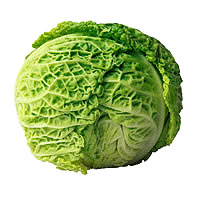

we exoprt Cabbage and fresh Vegetables exporter and Fruits from Morocco
Cabbage is an excellent source of vitamin C. It also contains significant amounts of glutamine, an amino acid that has anti-inflammatory properties. Cabbage can also be included in dieting programs, as it is a low calorie food.
It is a source of indole-3-carbinol, or I3C, a compound used as an adjuvant therapy for recurrent respiratory papillomatosis, a disease of the head and neck caused by human papillomavirus that causes growths in the airway that can lead to death.
In European folk medicine, cabbage leaves are used to treat acute inflammation. A paste of raw cabbage may be placed in a cabbage leaf and wrapped around the affected area to reduce discomfort. Some claim it is effective in relieving painfully engorged breasts in breastfeeding women.
Fresh cabbage juice has been shown to promote rapid healing of peptic ulcers
Effect on the Thyroid Gland
Cabbage may also act as a goitrogen. It blocks organification in thyroid cells, thus inhibiting the production of the thyroid hormones (thyroxine and triiodothyronine). The result is an increased secretion of thyroid stimulating hormone (TSH) due to low thyroid hormone levels. This increase in TSH results in an enlargement of the thyroid gland (goiter).
|

