|
Oranges
we exoprt Oranges and fresh Fruits exporter and Vegetables from Morocco
( naranjas
, Orangen , aranci )
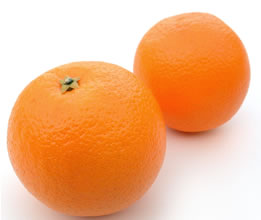

Oranges are widely grown in warm
climates worldwide, and the flavours of orange vary from sweet
to sour. The fruit is commonly peeled and eaten fresh, or
squeezed for its juice. It has a thick bitter rind that is
usually discarded, but can be processed into animal feed by
removing water using pressure and heat. It is also used in
certain recipes as flavouring or a garnish. The outer-most
layer of the rind is grated or thinly veneered with a tool
called a zester, to produce orange zest, popular in cooking
because it has a flavour similar to the fleshy inner part
of the orange. The white part of the rind, called the pericarp
or albedo and includes the pith, is a source of pectin and
has nearly the same amount of vitamin C as the flesh.
Orange juice, one of the commodities
traded on the New York Board of Trade. Brazil is the largest
producer of orange juice in the world, followed by the USA.
Sweet orange oil, a by-product
of the juice industry produced by pressing the peel. It is
used as a flavouring of food and drink and for its fragrance
in perfume and aromatherapy. Sweet orange oil consists of
about 90% d-Limonene, a solvent used in various household
chemicals, such as to condition wooden furniture, and along
with other citrus oils in grease removal and as a hand-cleansing
agent. It is an efficient cleaning agent which is environmentally
friendly, and much less toxic than petroleum distillates.
It also smells more pleasant than other cleaning agents.
The orange blossom, which is the state flower of Florida,
is traditionally associated with good fortune, and was popular
in bridal bouquets and head wreaths for weddings for some
time. The petals of orange blossom can also be made into a
delicately citrus-scented version of rosewater. Orange blossom
water is a common part of Middle Eastern cuisine.
In Spain they dry the falled blossom then use it to make tea
Orange blossom honey, or
actually citrus honey, is produced by putting beehives in
the citrus groves during bloom, which also pollinates seeded
citrus varieties. Orange blossom honey is highly prized, and
tastes much like orange.
Marmalade, a conserve made usually with Seville oranges. All
parts of the orange are used to make marmalade: The pith and
pips are separated, and typically placed in a muslin bag where
they are boiled in the juice (and sliced peel) to extract
their pectin, aiding the setting process.
Since oranges are susceptible to frost damage, growers commonly
use sprinklers to coat them with ice when temperatures go
below freezing. This practice protects the crops by regulating
temperature
|

